
Micro-incision Sutureless Cataract Surgery
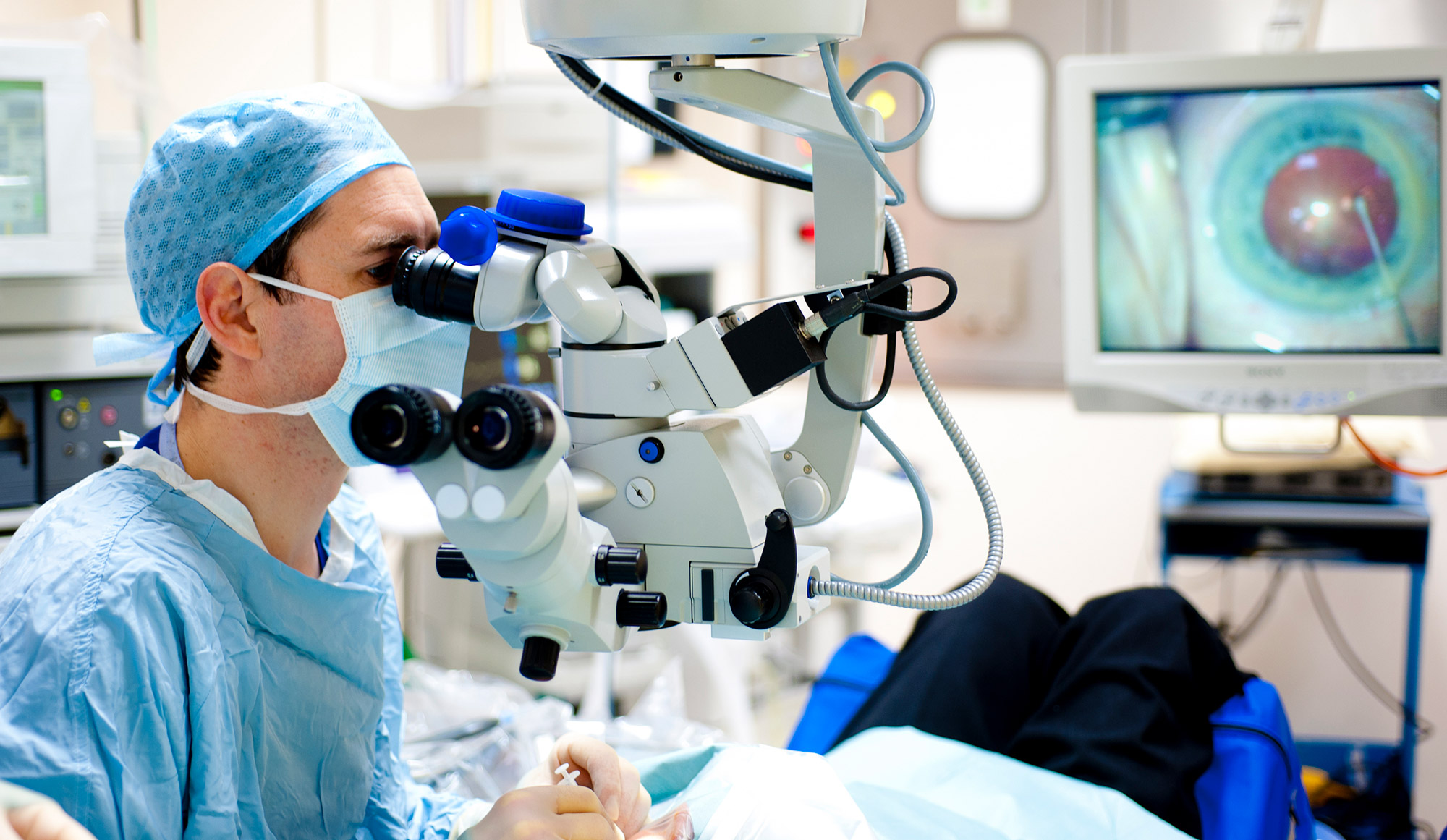
Clouding of the natural lens of the eye, most commonly due to aging process, is known as cataract. It is the most common cause of vision loss in India, and all over the world. It can be treated by a simple cataract extraction microsurgery, which is performed using advanced technology in a short time. The Himalayan Eye Institute is fully equipped with the most modern technology for performing sutureless cataract surgeries through a 2.8mm (or less) incision with the implantation of foldable intraocular lenses (IOLs).IOL power calculation is performed using high precision noncontact OA-2000 Optical Biometer (Tomey, Japan).
Phacoemulsification surgery is performed with the help of two of the most advanced machines, the Centurion® Vision System (Alcon, USA), and the Legion® System (Alcon, USA), which make cataract surgery safer and faster. Recovery is usually quick and painless, with early rehabilitation back to work.
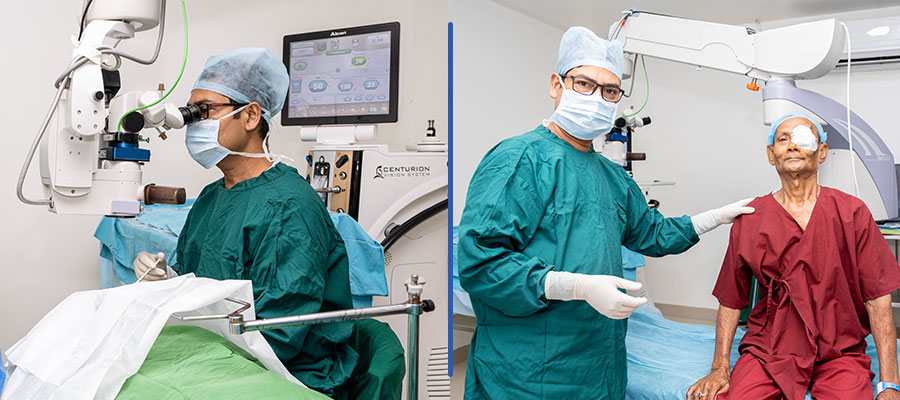
Restoring Sight, Reviving Lives : All types of Cataract surgeries are perfomed with precision.
Eye Testing History
Lorem Ipsum is simply dummy text of the printing and typesetting industry.
- Ambulance
- Qualified Doctors
- Personal Protective
- Safe & Effective
Cataract Surgery FAQ's
a) Micro-Phaco - Surgery is performed through a 2.2 mm incision, and a foldable IOL is implanted. It has the most rapid recovery time and minimal post-operative pain.
b) Phaco - Surgery is performed through a 2.8 mm incision, and a foldable IOL is implanted. It also has rapid recovery time and minimal post-operative pain.
c) Manual SICS - Surgery is performed manually with a 6-7 mm incision and a rigid/foldable IOL is implanted. It has a slower recovery time.
a) Monofocal lenses - These lenses give clear vision for the distance after surgery. However, glasses will be required for near vision. They are available from both Indian and foreign manufacturer companies.
b) Trifocal lenses - These are advanced lenses which provide clear vision for distance, intermediate (eg. computer use) and near vision (eg reading) after surgery.
c) Toric lenses - These lenses are suitable for patients who have pre-existing high cylindrical power (astigmatism), which can be corrected by this lens.
d) EDOF lenses - Extended depth of focus lenses are the newest lenses available which give clear vision for the distance, as well as an extended range of vision from distance to intermediate. Glasses will be required for near vision after surgery.
Your doctor and cataract counsellor will discuss in detail with you the best suitable lenses for you after your eye's full checkup and understanding your daily activities and vision requirements. However, the final choice of lens lies with the patient after fully understanding all available options.
Once lens is put inside the eye, it is usually not removed or replaced during lifetime like we frequently change our spectacles. Hence, it is always advisable to opt for better quality lens, especially if patients do more outdoor activities, drive at night, spend significant time on computers, watching TV and mobile etc.
Meet Our Specialists Doctors
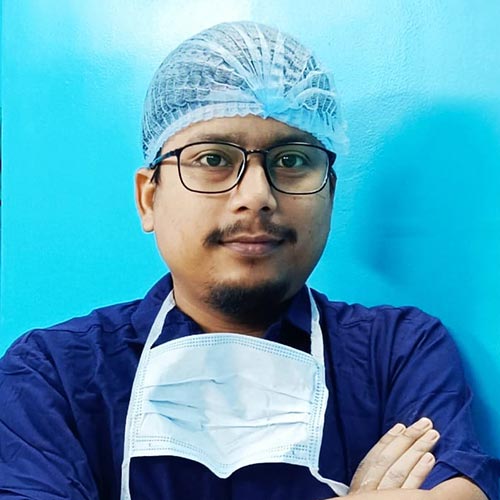
Dr. Jayabrata Burman
MBBS, MS Phaco & Micro Surgeon and Retina Specialist.
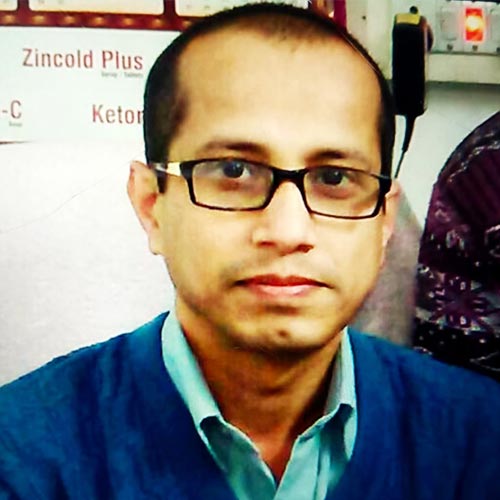
Dr. Ujjal Kumar Das
MBBS, MS Pheco and Micro Surgeon and Cornea Specialist.

Dr. Rupsana Chowdhury
M.B.B.S. MS phaco and micro specialist and glaucoma expert.

GDr. N. B. Consciousness
M.B.B.S., D.O. (R.I.O., Cole) Consultant Eye Surgeon, Hyderabad.